
A well-maintained computerized flat knitting machine isn't just a piece of equipment—it's the heartbeat of a modern knitwear production line. In an industry where efficiency is profitability, unexpected downtime can cost thousands in lost production, missed deadlines, and expensive emergency repairs. This comprehensive guide dives deep into maintenance practices that can extend your machine's service life by years, not just months.
We'll also explore how selecting the right machine from a dedicated manufacturer like Changhua from the start lays a foundation for easier maintenance, consistent performance, and ultimately, a better return on your investment.
Understanding Your Computerized Flat Knitting Machine
Before diving into maintenance routines, it's essential to understand the key components that keep your computerized flat knitting machine running. Modern machines are complex electromechanical systems where precision is paramount.
At its core, a computerized flat knitting machine transforms digital designs into physical knitted fabric through a coordinated dance of components. The needle bed and the knitting system (which can be single or double, housed within the machine head) perform the primary task of loop formation. Their flawless, high-speed movement along the guide rails is fundamental. This motion is driven by a sophisticated drive system, typically utilizing AC servo motors for precise control.
Equally critical is the yarn feeding and tension control system, which includes the creel, feeders, and tensioners, ensuring a consistent supply of yarn. The fabric take-down system applies controlled tension to the newly formed fabric, directly influencing stitch quality and uniformity. Overseeing all this is the computerized control system—the machine's brain—which executes the knitting program, monitors sensors, and provides the user interface for operation and adjustments.
Regular interaction with these systems through cleaning, inspection, and lubrication is what prevents the gradual creep of wear and tear that leads to major failures.

The Critical Role of Preventive Maintenance
The philosophy of "if it isn't broken, don't fix it" is a costly gamble in industrial manufacturing. Preventive maintenance is a proactive strategy designed to prevent equipment failure before it happens. For a computerized flat knitting machine, this approach is not a luxury but a necessity for several compelling reasons.
Firstly, it directly maximizes productivity and minimizes costly downtime. A sudden breakdown halts the entire production line, leading to missed orders and idle labor. Scheduled maintenance keeps machines running reliably. Secondly, it ensures consistent, high-quality output. Worn components can cause subtle defects like dropped stitches, tension variations, or barre marks, leading to fabric waste and customer rejections. Thirdly, it extends the machine's operational lifespan significantly. Replacing worn bearings or cleaning a dust-clogged circuit board is far cheaper than replacing an entire motor or main control card.
Finally, it enhances operational safety. Well-maintained machines are predictable and less likely to experience sudden, dangerous failures. Implementing a structured preventive maintenance program transforms machine care from a reactive cost center into a strategic investment in stability and profit.
Essential Daily, Weekly, and Monthly Maintenance Routines
A successful maintenance strategy is built on consistent, scheduled tasks. Breaking down responsibilities into daily, weekly, and monthly routines makes the process manageable and ensures no critical component is overlooked.
Daily Maintenance Tasks (Operator Level)
These quick checks and cleans should be performed at the start or end of each shift and take only 15-20 minutes:
Visual Inspection: Check for obvious signs of wear, damage, or loose parts on the machine head, rails, and yarn carriers.
Cleaning: Use a vacuum with a soft brush attachment to remove lint, dust, and oil mist from the needle beds, sinker beds, and carriage paths. Blow out yarn dust from the tensioners and feeders with compressed air.
Lubrication: Apply a drop of specified oil to any manual oiling points as indicated in the machine manual. Most modern machines have central auto-lubrication, but guides and rails may need attention.
Function Check: Listen for unusual noises (grinding, knocking) during operation and watch for irregular fabric or yarn tension.
Weekly & Monthly Maintenance (Technician Level)
These more thorough tasks require a trained technician and may involve partial disassembly:
Deep Cleaning: Remove accumulated grime from hard-to-reach areas like under the needle beds, inside the yarn feeder assemblies, and around the take-down rollers.
Component Inspection and Adjustment:
Check and adjust yarn tension for consistency across all feeders.
Inspect needles, sinkers, and jacks for wear or damage and replace as needed.
Verify the alignment of the machine head and rails.
Check belt tensions and look for signs of wear on drive belts.
System Checks: Test all safety and auto-stop functions (yarn break, needle detection, over-tension). Backup all knitting programs and machine parameters.
Long-Term & Seasonal Maintenance
Every 6-12 months, or as per the manufacturer's schedule, a comprehensive service should be performed:
Complete Lubrication System Service: Drain, flush, and refill the central auto-lubrication system with fresh, specified oil. Replace filters.
Major Component Inspection: Technicians should check servo motors, bearings, and guide rails for wear. Precision calibration of the entire system is often necessary to restore original accuracy.
Electrical System Check: Inspect wiring for damage, clean the electrical cabinet of dust (which can cause overheating and short circuits), and check connections.
Consistency in these routines is key. A well-kept maintenance log is invaluable for tracking service history and predicting future needs.

Partnering for Success: How Changhua Designs for Reliability and Ease of Maintenance
While diligent upkeep is in your hands, the inherent reliability and service-friendly design of the machine you purchase form the foundation of its long-term performance. This is where choosing a partner like Changhua makes a significant difference.
Founded in the textile hub of Changshu, China, Changhua Knitting Machinery has built its reputation on a deep understanding of knitters' needs. For years, we have focused on manufacturing computerized flat knitting machines that blend advanced functionality with robust construction and straightforward maintainability.
Our philosophy is that a great machine should not only perform brilliantly but also be a practical, dependable asset on your shop floor for years to come. We engineer our machines with maintenance in mind, knowing that this directly impacts your total cost of ownership and operational peace of mind.
Spotlight on Key Changhua Machine Models
Our product range is designed to offer solutions for different production scales and technical requirements, all built with our commitment to durability. Let's examine a few models that exemplify this approach.
CHJX-1-72" Single System Machine
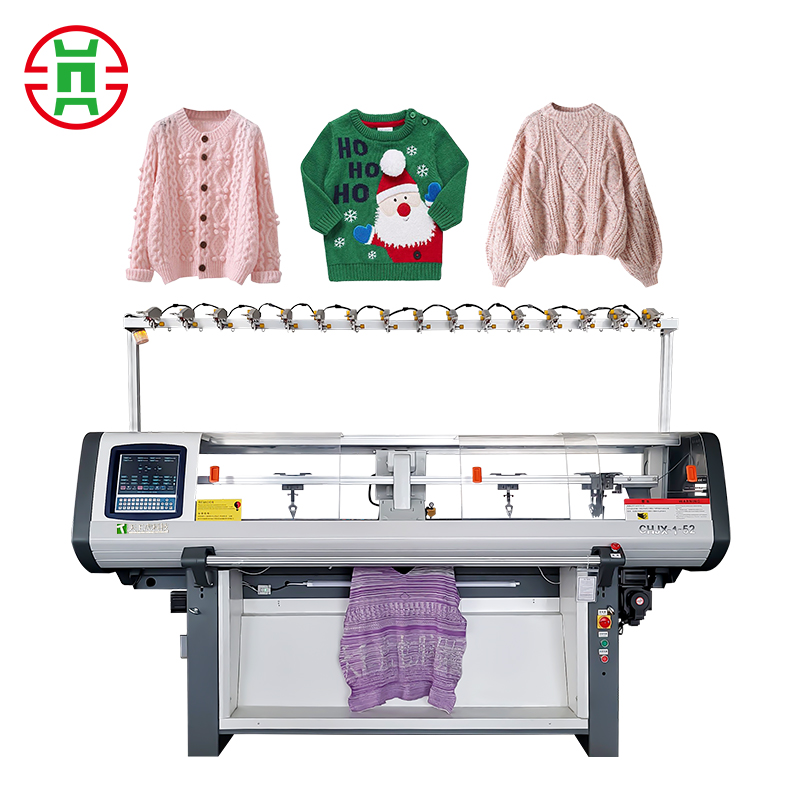
Ideal for: Start-ups, small workshops, and producing classic knit styles with high efficiency.
This versatile workhorse is a testament to robust, simple design. Its single-system, single-head configuration makes it mechanically straightforward and exceptionally reliable. Key features that aid longevity include its AC servo motor-driven needle bed shift, which provides precise, wear-resistant movement, and a comprehensive self-diagnostic alarm system that protects the machine from damage due to thread breaks, needle strikes, or program errors. Its accessible layout makes daily cleaning and routine part replacement (like needles and sinkers) a quick and easy task for operators.
Explore the full specifications of this reliable model on our product page: 72-inch Single System Computerized Flat Knitting Machine.
100-Inch Simple Double System Machine
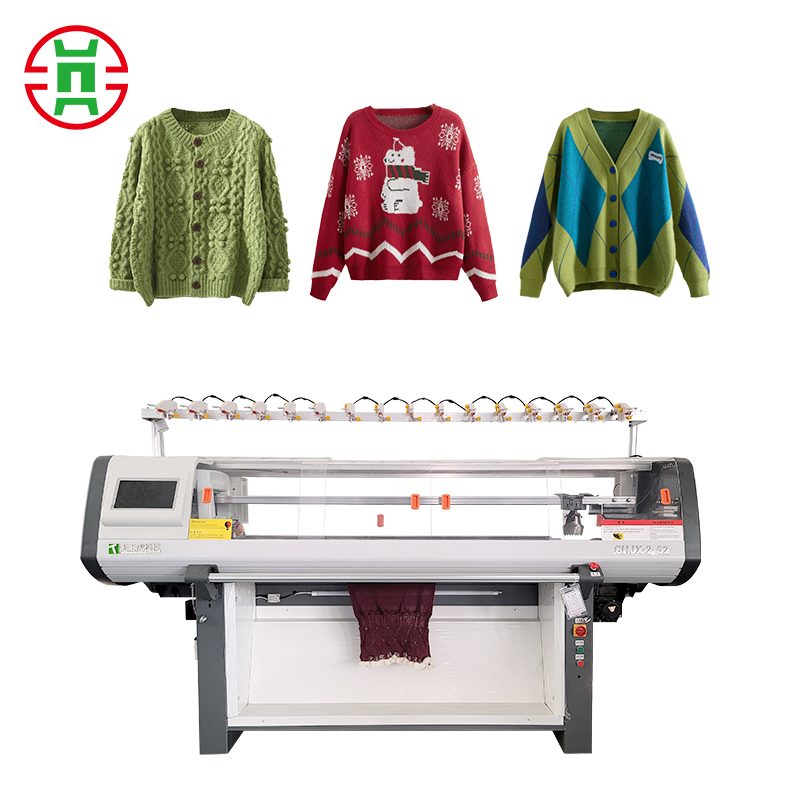
Ideal for: Medium-scale production requiring wider fabric panels or multiple small pieces side-by-side.
This model boosts productivity with a double knitting system, allowing for more complex structures or higher output. From a maintenance perspective, its design incorporates solutions to common pain points. For instance, the triple-cam (turnover) design allows front-to-back and back-to-front transfers to be completed in the same row, reducing unnecessary machine head movement and mechanical stress. Furthermore, its advanced fabric take-down system with a stepper motor and 32-stage selection offers precise, programmable control, reducing strain on the needles and resulting in more consistent fabric quality with less wear.
Discover the productivity and robust design of this wider-format machine here: 100-Inch Simple Double System Computerized Knitting Machine.
80-Inch Whole Garment Knitting Machine
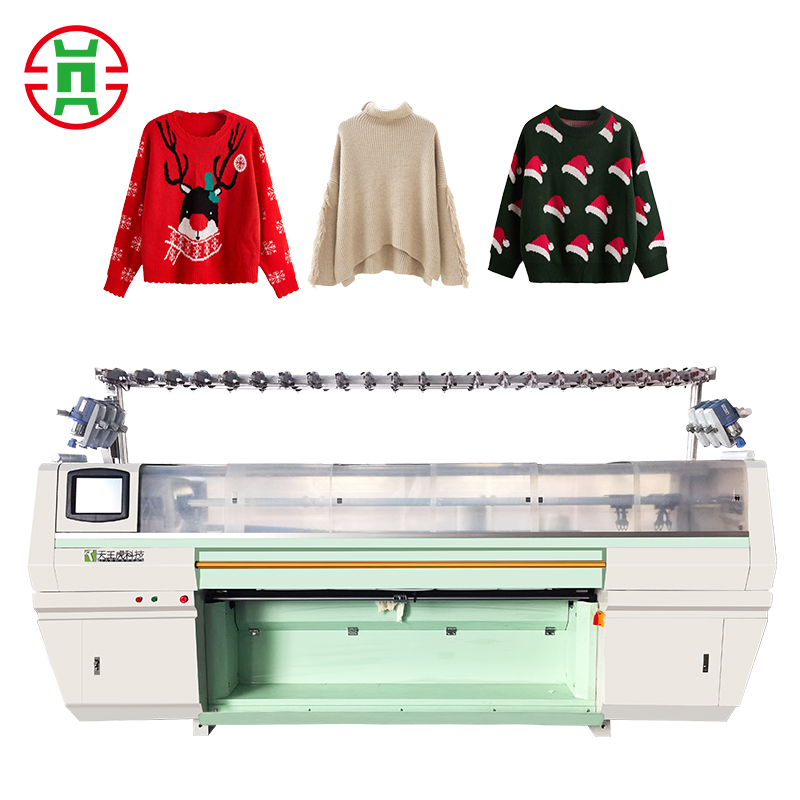
Ideal for: Advanced manufacturers producing seamless, shape-knit garments with minimal post-production labor.
This machine represents the pinnacle of computerized knitting technology, capable of producing complete, three-dimensional garments with minimal seams. Such complexity demands an exceptionally stable and well-engineered platform. Maintenance of these high-precision machines focuses on the synchronization of multiple systems—carriage movement, multiple yarn feeders, and sophisticated stitch transfer functions. Changhua's design prioritizes ease of calibration and access to key components, ensuring that technicians can keep this advanced technology running smoothly. The robust construction of the guide rails and the heavy-duty frame are critical to maintaining the precision required for whole-garment knitting over thousands of hours of operation.
Learn more about the advanced engineering behind our seamless knitting technology: 80-inch Whole Garment Computerized Flat Knitting Machine.

Addressing Common Problems: Troubleshooting and Proactive Care
Even with perfect maintenance, issues can arise. Recognizing early warning signs can prevent a minor hiccup from becoming a major stoppage. Here’s a guide to common problems and their typical roots:
The most effective troubleshooting starts with the simplest solution: clean and inspect. Often, a problem is caused by lint buildup, a single worn needle, or a slightly misadjusted tensioner. Following the machine's diagnostic error codes is also crucial. A systematic approach not only fixes the immediate issue but also helps identify if it’s part of a larger wear pattern that needs addressing in your preventive plan.
Investing in Your Future: The Changhua Partnership
Purchasing a Changhua machine is the beginning of a partnership. We are committed to ensuring your investment delivers value long after the initial sale.
Technical Support and Training: We provide comprehensive operational and basic maintenance training. Our technical support team is available to help troubleshoot complex issues remotely or guide you to solutions.
Genuine Spare Parts: Using original Changhua spare parts is critical for maintaining performance and warranty coverage. Our parts are manufactured to exact specifications, ensuring perfect fit and function, unlike generic parts which can cause misalignment and accelerated wear.
Service Programs: We offer tailored service contracts for periodic professional maintenance and calibration, providing peace of mind and helping you plan your maintenance budget effectively.
Proper maintenance is the bridge between the inherent quality of your Changhua machine and its decades-long performance in your factory.
Next Steps for Maximizing Your Machine's Lifespan
The journey to a longer-lasting, more productive knitting operation starts with a single step. Begin by reviewing your current maintenance logs—or start one if you haven't—and compare your practices to the daily, weekly, and monthly routines outlined in this guide.
If you're considering a new machine, remember that the easiest machine to maintain for 10 years is one that was designed for it from the start. Explore the engineering and features of our full range of durable, knitter-friendly machines on the Changhua Knitting Machinery website.
Ready to build a maintenance plan or discover how a Changhua machine can become the most reliable asset in your production line? Contact our team today for a consultation. Let's discuss how we can help you knit a future of uninterrupted productivity and growth.


 English
 العربية
 Français
 Русский
 Español
 Português
 Deutsch
 italiano
 日本語
日本語 한국어
한국어 Nederlands
 Tiếng Việt
 ไทย
ไทย Polski
 Türkçe
 ភាសាខ្មែរ
 Bahasa Melayu
 தமிழ்
தமிழ் Filipino
 Bahasa Indonesia
 magyar
 Română
 Čeština
 қазақ
қазақ Српски
 हिन्दी
 Kiswahili
 Slovenščina
 Norsk
Norsk Svenska
 українська
 Ελληνικά
 Suomi
Suomi עברית
עברית اردو
اردو Shqip
Shqip বাংলা
বাংলা Hrvatski
 Gaeilge
 Māori
Māori සිංහල
සිංහල नेपाली
 Oʻzbekcha
 Aymara
 Azərbaycan dili
 Беларуская мова
 Български
 guarani
 Lietuvių
 Runasimi
 Türkmençe


