
In today's fast-paced textile manufacturing environment, computerized flat knitting machines have become essential tools for producing high-quality knitted fabrics and garments with remarkable efficiency. These sophisticated machines combine mechanical precision with digital intelligence to create everything from basic fabrics to complex three-dimensional structures.
A computerized flat knitting machine operates through a system of programmed instructions that control every aspect of the knitting process - from needle selection and yarn feeding to carriage movement and fabric take-down. Unlike their manual counterparts, these machines can execute intricate patterns with consistent accuracy, dramatically reducing human error while increasing production capacity.
The typical components of a computerized flat knitting machine include:
Control System: The brain of the machine, usually featuring a touchscreen interface and programming software
Knitting System: Comprising needles, cams, and carriage mechanisms that form stitches
Yarn Feeding System: Guides yarn from cones to needles with precise tension control
Fabric Take-Down System: Ensures consistent fabric tension during production
Drive System: Powers needle bed movement and carriage traversal
As production demands increase and patterns become more complex, having reliable equipment becomes paramount. That's where companies with proven expertise in knitting technology make all the difference. For instance, Changhua Knitting Machine has established itself as a trusted manufacturer in this field, offering machines that combine innovative technology with practical reliability. Their commitment to quality and customer support ensures that manufacturers can maintain smooth operations with minimal downtime.
Common Issues and Troubleshooting Solutions
1. Programming and Software Issues
Problem: Pattern errors, system crashes, or communication failures between the computer and machine hardware.
Troubleshooting Steps:
Check file integrity: Ensure pattern files are complete and compatible with your machine's software version
Update software: Regularly install manufacturer-recommended updates to fix known bugs
Verify connections: Inspect cables and interfaces between the computer and knitting system
Restart systems: Sometimes a simple reboot resolves temporary software glitches
Consult documentation: Review the machine manual for specific error codes and solutions
Prevention: Maintain regular software backups, avoid unauthorized software modifications, and implement a consistent update schedule.
2. Mechanical Malfunctions
Problem: Needle breakage, carriage jamming, or irregular fabric formation.
Troubleshooting Steps:
Inspect needles: Replace bent or broken needles immediately to prevent further damage
Clean and lubricate: Regular maintenance of moving parts prevents jamming and wear
Check alignment: Ensure needle beds and carriage are properly aligned
Monitor tension: Verify yarn tension devices are functioning correctly
Examine cams: Worn cams can cause inconsistent stitch formation
Prevention: Implement a scheduled maintenance program, use quality replacement parts, and train operators on proper machine handling.
3. Electrical and Sensor Problems
Problem: Machine stops unexpectedly, sensors fail to detect yarn or needles, or motors behave erratically.
Troubleshooting Steps:
Test sensors: Clean optical sensors and verify their calibration
Check power supply: Ensure stable voltage without fluctuations
Inspect wiring: Look for frayed cables or loose connections
Monitor temperature: Overheating components can cause intermittent failures
Reset control board: Power cycling the main controller can resolve temporary electrical issues
Prevention: Install voltage stabilizers, maintain clean operating environments, and conduct regular electrical system inspections.
4. Yarn Feeding and Tension Issues
Problem: Uneven stitches, yarn breakage, or inconsistent fabric density.
Troubleshooting Steps:
Adjust tension devices: Ensure proper settings for the specific yarn being used
Check guides and feeders: Align yarn paths and replace worn ceramic eyes
Inspect yarn quality: Poor quality yarn exacerbates feeding problems
Clean accumulation: Remove lint and debris from tension disks and guides
Verify yarn package: Ensure cones or packages are wound properly and positioned correctly
Prevention: Use high-quality yarns with consistent characteristics, implement regular cleaning schedules, and calibrate tension devices monthly.
5. Pattern and Design Flaws
Problem: Design doesn't translate properly to finished product, dimensions are incorrect, or pattern elements are distorted.
Troubleshooting Steps:
Review design parameters: Verify gauge, density, and size settings in the software
Check stitch transfer settings: Ensure proper configuration for complex patterns
Test with sample swatches: Produce small samples before full production runs
Compare digital to physical: Look for discrepancies between screen preview and actual output
Consult technical support: Reach out to your machine manufacturer for pattern-specific guidance
Prevention: Standardize design protocols, train designers on machine-specific considerations, and maintain a library of tested pattern templates.
Introduction to Changhua Knitting Machines
When troubleshooting becomes too frequent, it might be time to evaluate whether your equipment meets current production demands. Changhua Knitting Machine offers solutions designed to minimize common problems through thoughtful engineering and robust construction.
Our company has established itself as a reliable manufacturer in the textile machinery industry, with a focus on creating computerized flat knitting machines that balance advanced functionality with operational simplicity. We understand that downtime directly impacts profitability, which is why our machines are built with reliability as a core principle.
What sets our approach apart is our commitment to comprehensive support - we don't just sell machines; we provide solutions that include training, technical assistance, and readily available spare parts. Our engineering team continuously refines designs based on real-world feedback from operators and technicians worldwide.
Considering an upgrade to more reliable equipment?  Changhua's range of machines might offer the stability and performance your operation needs. Our products are designed with the operator in mind, featuring intuitive interfaces that reduce the learning curve while maintaining sophisticated capabilities for complex knitting tasks.
Changhua Machine Models and Advantages
Single System Computerized Flat Knitting Machine
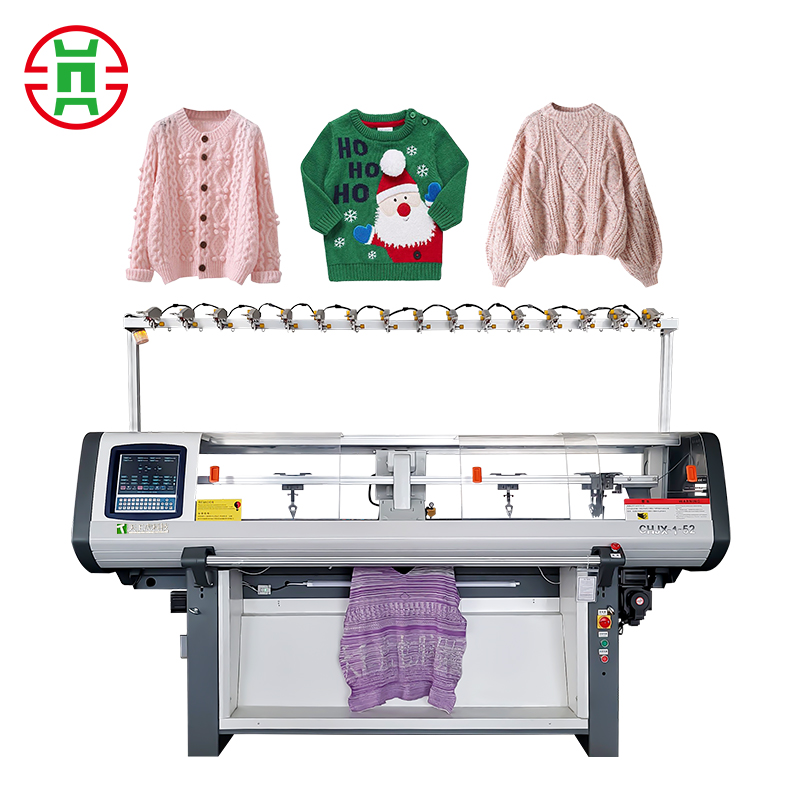
Our 72-inch single system computerized flat knitting machine represents an excellent entry point into automated knitting or a reliable workhorse for established operations. This model combines essential computerized functions with straightforward operation, making it particularly suitable for manufacturers transitioning from manual to computerized systems.
Key features include:
User-friendly interface: Simplified controls reduce training time and operational errors
Robust construction: Durable components designed for consistent performance
Versatile capabilities: Handles a wide range of yarns and basic to intermediate patterns
Energy efficiency: Optimized power consumption reduces operating costs
Compact footprint: Efficient use of production space without compromising working width
Troubleshooting advantage: The simplified system architecture means fewer potential failure points and easier diagnostics when issues do arise. The modular design allows for quick replacement of components, minimizing downtime.
Double System Computerized Knitting Machine
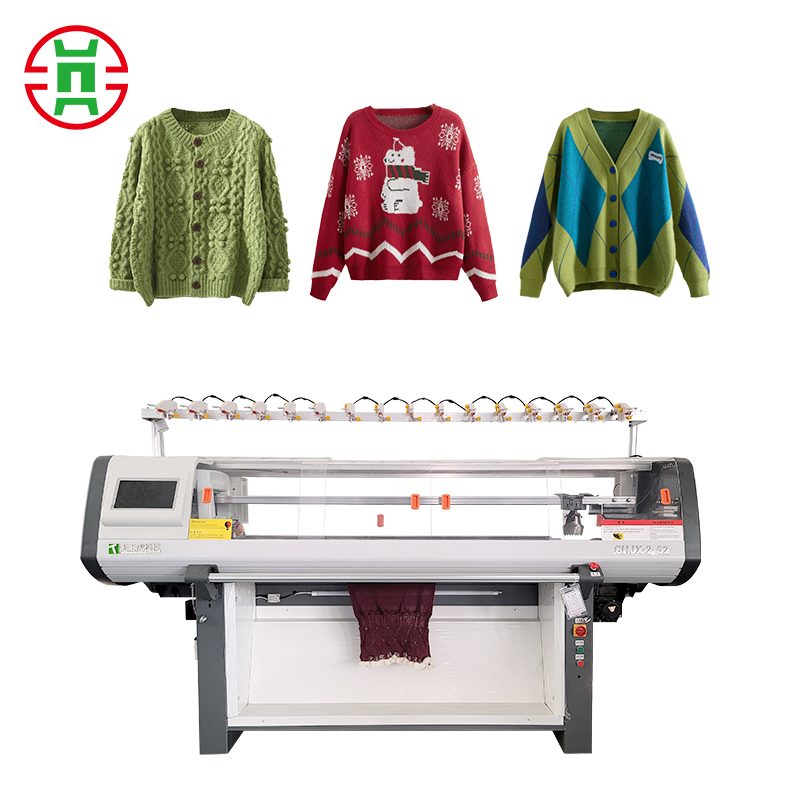
For operations requiring higher productivity without excessive complexity, our 100-inch double system computerized knitting machine offers enhanced capabilities. The dual system design allows for more complex patterning and increased production speed compared to single system machines.
Key features include:
Increased productivity: Dual systems work simultaneously to reduce production time
Enhanced patterning capabilities: Create more complex designs with two independent carriage systems
Improved fabric handling: Advanced take-down mechanisms ensure consistent quality at higher speeds
Flexible configurations: Adjustable settings accommodate diverse production requirements
Advanced diagnostics: Built-in troubleshooting systems help identify issues quickly
Troubleshooting advantage: The machine includes self-diagnostic functions that alert operators to potential issues before they cause significant downtime. The redundant systems design means one system can often continue operating while the other receives maintenance.
Three System Computerized Knitting Machine
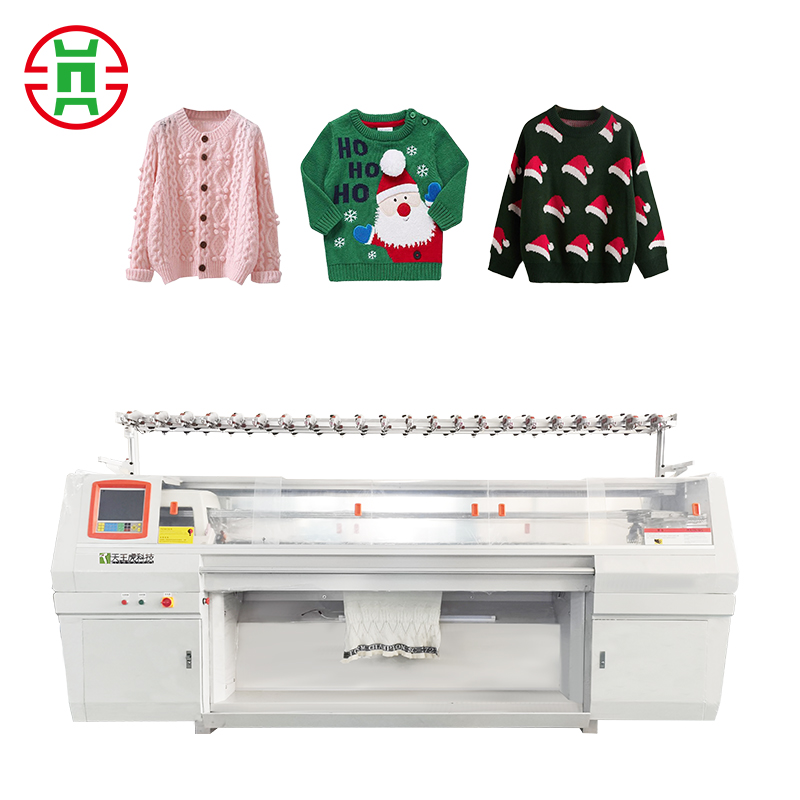
Our flagship 100-inch three system computerized knitting machine represents the pinnacle of our manufacturing expertise, designed for high-volume production of sophisticated knitted fabrics. This model excels at producing complex patterns, intricate structures, and technical textiles with precision and efficiency.
Key features include:
Maximum productivity: Three independent systems work in coordination for optimal output
Advanced patterning: Capable of producing highly complex designs and three-dimensional structures
Precision control: Sophisticated sensors and controls maintain exacting standards throughout production
Material versatility: Handles everything from delicate specialty yarns to technical fibers
Production intelligence: Integrated software provides real-time monitoring and optimization suggestions
Troubleshooting advantage: The machine features our most advanced diagnostic system, including predictive maintenance algorithms that anticipate component wear before failure occurs. Remote support capabilities allow our technicians to assist with complex issues without requiring on-site visits.
Three different computerized flat knitting machine configurations suitable for various production needs.

Preventative Maintenance Strategies
Establishing a Maintenance Schedule
A proactive maintenance approach significantly reduces troubleshooting frequency. Consider implementing these maintenance intervals:
Daily Checks:
Visual inspection for obvious issues
Cleaning of immediate work area
Verification of basic functions before production begins
Weekly Maintenance:
Thorough cleaning of needle beds and carriage paths
Lubrication of designated points
Inspection of yarn guides and tension devices
Monthly Procedures:
Comprehensive system diagnostics
Calibration of sensors and measurement systems
Detailed inspection of wear components
Annual Overhauls:
Professional inspection by qualified technicians
Replacement of consumable components regardless of apparent wear
Software updates and system optimization

Training Operators for Early Problem Detection
Well-trained operators can identify potential issues before they develop into major problems. Key training areas include:
Recognizing abnormal sounds that indicate mechanical issues
Identifying visual irregularities in fabric that suggest machine problems
Understanding error messages and taking appropriate initial actions
Performing basic adjustments and minor repairs
Documenting issues accurately for technical support
Creating a Troubleshooting Documentation System
Develop a customized troubleshooting guide specific to your machines that includes:
Common problem index with symptoms and quick solutions
Contact information for technical support (including Changhua's support channels)
Spare parts inventory with reorder thresholds
Maintenance log templates to track service history
Escalation procedures for unresolved issues
When to Repair vs. When to Upgrade
Evaluating Your Current Equipment
Consider these factors when deciding between repairing existing machines and upgrading to new equipment:
Repair is likely the best option when:
Machines are less than 5 years old
Issues are isolated to replaceable components
Repair costs are below 30% of replacement cost
The machine still meets your production requirements
Technical support and parts remain readily available
Upgrade consideration is warranted when:
Frequent repairs are disrupting production schedules
Maintenance costs exceed 50% of new machine payments
Technology limitations restrict product development
Energy efficiency improvements would provide rapid ROI
Capacity constraints limit business growth opportunities

Cost-Benefit Analysis Framework
Create a simple comparison to evaluate repair vs. upgrade decisions:
| Factor | Repair Existing Machine | Upgrade to New Machine |
| Immediate Cost | Lower upfront expense | Higher initial investment |
| Downtime Impact | Variable (parts availability dependent) | Scheduled implementation |
| Performance Outcome | Returns to previous standard | Potential efficiency gains |
| Long-term Reliability | Diminished (aging components) | Enhanced (new components with warranty) |
| Operational Capabilities | Limited to existing features | Access to latest technology |
| 3-Year Total Cost | Often higher due to repeated repairs | Typically lower with preventive maintenance |
Maximizing Machine Lifespan and Performance
Optimal Operating Practices
Implement these practices to extend equipment life and minimize issues:
Environmental controls: Maintain stable temperature and humidity levels in production areas
Proper installation: Ensure machines are level and on vibration-damping foundations
Quality materials: Use recommended yarns and consumables to reduce machine stress
Gradual changes: Implement speed increases and pattern complexity gradually
Operator rotation: Prevent repetitive strain on specific machines by rotating production assignments
Software and Firmware Management
Keep your machine's digital components optimized with these practices:
Regular backups: Maintain current backups of all patterns and machine settings
Update strategy: Implement a tested approach to software updates that minimizes disruption
Security measures: Protect knitting systems from malware and unauthorized access
Version documentation: Keep detailed records of software versions and compatibility information
Building a Relationship with Your Manufacturer
Developing a strong relationship with your equipment manufacturer pays dividends when troubleshooting complex issues. As a manufacturer ourselves, we at Changhua recommend:
Register all equipment to ensure access to support and updates
Participate in training opportunities offered by the manufacturer
Provide feedback about your experience to help improve future designs
Establish direct contacts in technical support and service departments
Share your maintenance records when seeking support to provide context for issues
Conclusion: Optimizing Your Knitting Operations
Effective troubleshooting of computerized flat knitting machines requires a combination of technical knowledge, systematic processes, and the right equipment for your specific needs. While many common issues can be resolved with proper maintenance and operator training, sometimes the most efficient solution involves upgrading to more reliable machinery designed with preventative features.
At Changhua, we've engineered our machines to minimize common failure points while making inevitable maintenance as straightforward as possible. Our range of models—from the accessible single system to the sophisticated three system machine—ensures there's an appropriate solution for operations at every scale.
Considering how much downtime costs your business in lost production and missed deadlines, wouldn't it be valuable to explore equipment designed specifically to maximize uptime? Our machines are built with the understanding that reliability isn't just a feature—it's the foundation of profitable knitting operations.
Whether you're troubleshooting existing equipment or considering an upgrade, we invite you to explore how Changhua's approach to knitting machine design might benefit your operation. Our technical team is available to discuss your specific challenges and recommend solutions tailored to your production requirements.


 English
 العربية
 Français
 Русский
 Español
 Português
 Deutsch
 italiano
 日本語
日本語 한국어
한국어 Nederlands
 Tiếng Việt
 ไทย
ไทย Polski
 Türkçe
 ភាសាខ្មែរ
 Bahasa Melayu
 தமிழ்
தமிழ் Filipino
 Bahasa Indonesia
 magyar
 Română
 Čeština
 қазақ
қазақ Српски
 हिन्दी
 Kiswahili
 Slovenščina
 Norsk
Norsk Svenska
 українська
 Ελληνικά
 Suomi
Suomi עברית
עברית اردو
اردو Shqip
Shqip বাংলা
বাংলা Hrvatski
 Gaeilge
 Māori
Māori සිංහල
සිංහල नेपाली
 Oʻzbekcha
 Aymara
 Azərbaycan dili
 Беларуская мова
 Български
 guarani
 Lietuvių
 Runasimi
 Türkmençe


