
As we approach 2026, the global textile industry stands at a critical juncture. Consumer demand patterns have shifted dramatically - mass customization, rapid delivery, sustainable production, and smart textiles are no longer futuristic concepts but current market requirements. Traditional manufacturing methods struggle to meet these evolving demands, creating an urgent need for intelligent, connected, and highly adaptable production systems.
Enter Smart Computerized Flat Knitting Machines - the technological backbone of the next-generation textile factory. These sophisticated systems represent more than just an upgrade to existing equipment; they embody a complete paradigm shift in how textiles are designed, produced, and distributed. This comprehensive guide explores the technological landscape of 2026, examines the features that will define competitive advantage, and provides actionable insights for manufacturers preparing for this transformation.
The Evolution from Mechanical to Intelligent Systems
Historical Context: Where We've Come From
To appreciate the revolutionary nature of smart knitting technology, we must first understand its evolution. The journey from hand knitting to today's computerized systems spans centuries of innovation:
Hand Knitting Era (Pre-19th Century): Completely manual, limited to artisanal production
Mechanical Revolution (19th Century): The invention of knitting frames increased production but remained labor-intensive
Electromechanical Systems (Mid-20th Century): Introduction of basic automation and pattern mechanisms
Computerized Control (Late 20th Century): Digital pattern storage and basic automation
Smart Integration Era (21st Century): Full digital integration, IoT connectivity, and AI-driven optimization
Each transition has brought exponential improvements in speed, complexity, and accessibility. However, the current shift to smart systems represents the most significant leap yet - moving from isolated machines to interconnected production ecosystems.
Core Technologies Defining Smart Knitting Machines
Advanced Digital Control Systems:
Modern smart knitting machines feature sophisticated control units that manage thousands of needles simultaneously with micron-level precision. These systems utilize real-time feedback mechanisms to adjust tension, speed, and stitch formation dynamically, ensuring consistent quality even during complex pattern execution.
IoT and Industry 4.0 Integration:
The machines of 2026 aren't standalone units but integrated nodes within a connected factory network. Through embedded sensors and communication protocols, they continuously transmit data about:
Machine performance metrics
Yarn consumption and tension
Production speed and efficiency
Maintenance requirements
Quality control parameters
This data flows into centralized manufacturing execution systems (MES) that provide actionable insights and enable predictive maintenance strategies.
Artificial Intelligence and Machine Learning Applications:
AI algorithms are revolutionizing several aspects of knitting production:
Pattern Optimization: Machine learning algorithms analyze thousands of pattern variations to suggest the most efficient knitting paths, reducing production time and yarn waste.
Predictive Quality Control: Computer vision systems integrated with AI can detect microscopic defects in real-time, far surpassing human inspection capabilities.
Automatic Parameter Adjustment: AI systems learn from historical production data to automatically optimize machine settings for different yarn types and patterns.
Demand Forecasting Integration: Smart systems connect with supply chain management platforms to adjust production schedules based on real-time market demand.
Advanced Material Handling and Robotics:
Modern knitting systems incorporate automated yarn loading, tension control systems, and robotic take-down mechanisms. These features minimize human intervention, reduce errors, and enable continuous 24/7 operation. The integration of collaborative robots (cobots) for tasks like loading and unloading further enhances productivity.
Sustainable Manufacturing Capabilities:
Environmental considerations are now embedded into machine design:
Energy-efficient drive systems reduce power consumption by up to 40%
Precision yarn feeding minimizes waste
Whole-garment knitting technology eliminates cutting waste
Recycled material compatibility expands sustainable sourcing options

The Business Case for Smart Knitting Technology in 2026
Market Drivers and Industry Trends
Several converging factors make smart knitting technology not just desirable but essential for manufacturers aiming to remain competitive:
Consumer Demand Shifts:
Personalization: 72% of consumers now expect some level of product customization
Fast Fashion Evolution: The cycle from design to retail continues to accelerate
Sustainability Consciousness: Increasing demand for transparent, eco-friendly production
Quality Expectations: Consumers now expect higher quality at competitive prices
Economic Pressures:
Rising labor costs in traditional manufacturing regions
Increasing raw material prices
Global competition intensifying
Supply chain volatility requiring greater flexibility
Technological Enablers:
Decreasing costs of sensors and computing power
Improved connectivity infrastructure
Advancements in materials science
Growing accessibility of AI and machine learning tools
Return on Investment Analysis
Investing in smart knitting technology offers compelling financial returns across multiple dimensions:
Direct Cost Savings:
Labor Reduction: Automated systems can reduce direct labor requirements by 60-80%
Material Efficiency: Advanced control systems typically reduce yarn waste by 15-30%
Energy Efficiency: Modern machines consume 25-40% less power than previous generations
Quality Improvement: Reduced defect rates and rework costs
Revenue Enhancement Opportunities:
New Product Capabilities: Access to markets for technical textiles and smart fabrics
Customization Premiums: Ability to command higher prices for personalized products
Faster Time-to-Market: Reduced lead times create competitive advantages
Geographic Flexibility: Distributed manufacturing closer to end markets
Strategic Value Creation:
Brand Enhancement: Sustainable and technologically advanced manufacturing capabilities
Supply Chain Resilience: Reduced dependency on distant suppliers
Intellectual Property Development: Proprietary knitting techniques and patterns
Future-Proofing: Preparedness for emerging market demands
Are you calculating the potential ROI for your factory modernization? The numbers might surprise you.
Introducing Changhua: Your Strategic Innovation Partner
Our Heritage and Vision
For over three decades, Changhua Knitting Machine has been at the forefront of textile machinery innovation. Founded on the principles of precision engineering and customer-centric design, we have evolved from a regional manufacturer to a global technology leader serving clients in over 60 countries.
Our journey mirrors the industry's transformation. We began with mechanical knitting machines, transitioned to computerized systems in the 1990s, and have been pioneering smart manufacturing solutions since the early 2010s. This experience gives us unique insights into both the technological possibilities and the practical challenges of textile manufacturing.
Our vision for 2026 is clear: to empower textile manufacturers with intelligent, sustainable, and highly productive manufacturing systems that create lasting competitive advantages. We believe that technology should serve people - enhancing capabilities, creating opportunities, and solving real-world business challenges.
The Changhua Difference: Beyond Hardware
While we take pride in our mechanical excellence, our true value proposition extends far beyond the machines themselves:
Comprehensive Technology Ecosystem:
We provide integrated solutions that include:
Advanced knitting machines with smart capabilities
Proprietary design and production software
Factory automation and integration services
Data analytics and optimization tools
Continuous software updates and upgrades
Global Support Network:
With service centers and technical teams strategically located worldwide, we ensure that support is never more than a phone call away. Our multilingual support team provides:
24/7 remote diagnostic capabilities
On-site technical support within guaranteed response times
Regular maintenance and optimization services
Operator and technician training programs
Collaborative Development Approach:
We work closely with our clients to understand their unique challenges and opportunities. This collaborative approach has led to:
Customized machine configurations for specific applications
Joint development of specialized knitting techniques
Tailored software features for niche market requirements
Collaborative research into new materials and applications
Sustainability Commitment:
Our environmental responsibility extends through the entire product lifecycle:
Energy-efficient machine designs
Use of recyclable materials in construction
Extended product lifespan through upgradeability
End-of-life recycling programs
Ready to explore how our comprehensive approach can transform your manufacturing capabilities? The journey begins with understanding your vision.
Discover the Changhua Advantage: Visit Our Innovation Hub
Deep Dive: Changhua's Smart Machine Portfolio for 2026
The Productivity Workhorse: 72-Inch Single System Machine
72-inch Single System Computerized Flat Knitting Machine
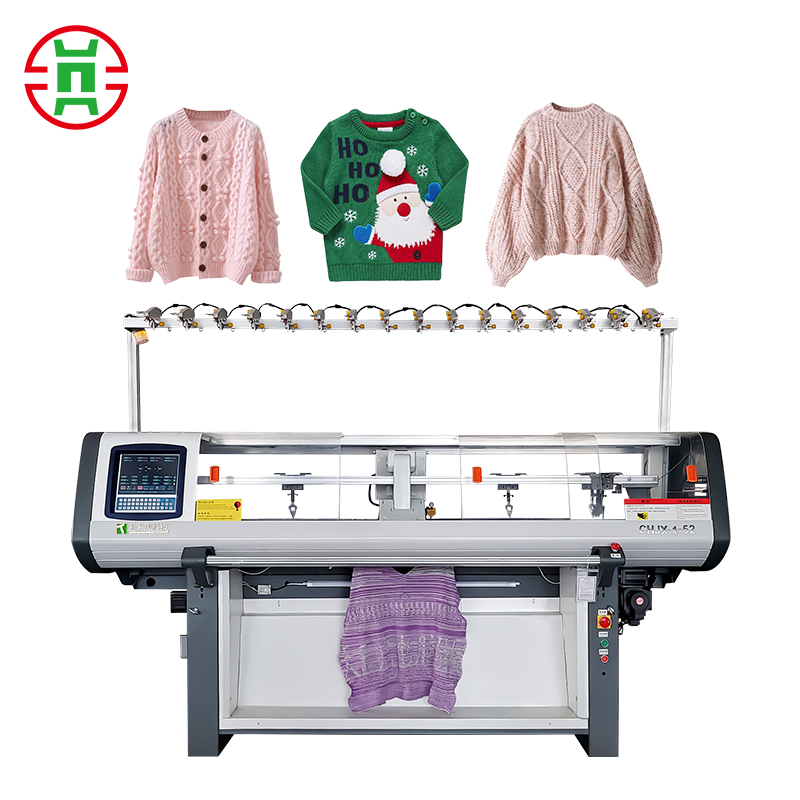
Technical Specifications and Capabilities:
Working Width: 72 inches (183 cm) for versatile production
Gauge Range: 5-14 G (adaptable for various applications)
Maximum Speed: 1.2 meters per second
Control System: Advanced 32-bit microprocessor with touch-screen interface
Pattern Memory: 10,000+ stitch capacity with expandable storage
Yarn Carriers: 8 independent carriers with automatic tension control
Advanced Features for 2026 Readiness:
Intelligent Production Management:
The machine features integrated production tracking that monitors real-time efficiency, material usage, and quality metrics. This data can be exported to factory management systems for comprehensive analysis and optimization.
Adaptive Learning System:
Through continuous operation, the machine learns optimal settings for different yarn types and patterns, automatically suggesting parameter adjustments to operators and reducing setup times by up to 40%.
Enhanced Connectivity Options:
Standard IoT connectivity allows for remote monitoring, software updates, and diagnostic checks. The system can integrate with ERP and MES systems, providing seamless data flow across the manufacturing ecosystem.
Sustainability Features:
Energy recovery system captures and reuses braking energy
Precision yarn feeders reduce waste by maintaining optimal tension
Low-friction needle beds reduce power consumption
Eco-mode automatically adjusts power usage during idle periods
Application Scenarios:
Fashion Apparel: Production of panels for sweaters, dresses, and accessories
Home Textiles: Creation of blankets, throws, and decorative fabrics
Technical Textiles: Manufacturing of industrial fabrics and composite materials
Prototype Development: Rapid sampling and small-batch production
Business Impact Analysis:
Based on client data, manufacturers utilizing this model typically achieve:
25-35% increase in overall productivity
15-20% reduction in material waste
40-50% reduction in labor requirements per unit
ROI period of 18-24 months in typical operation
Precision engineering meets intelligent control: The 72-inch system in operation.*
The Innovation Leader: 80-Inch Whole Garment Machine
80-inch Whole Garment Computerized Flat Knitting Machine
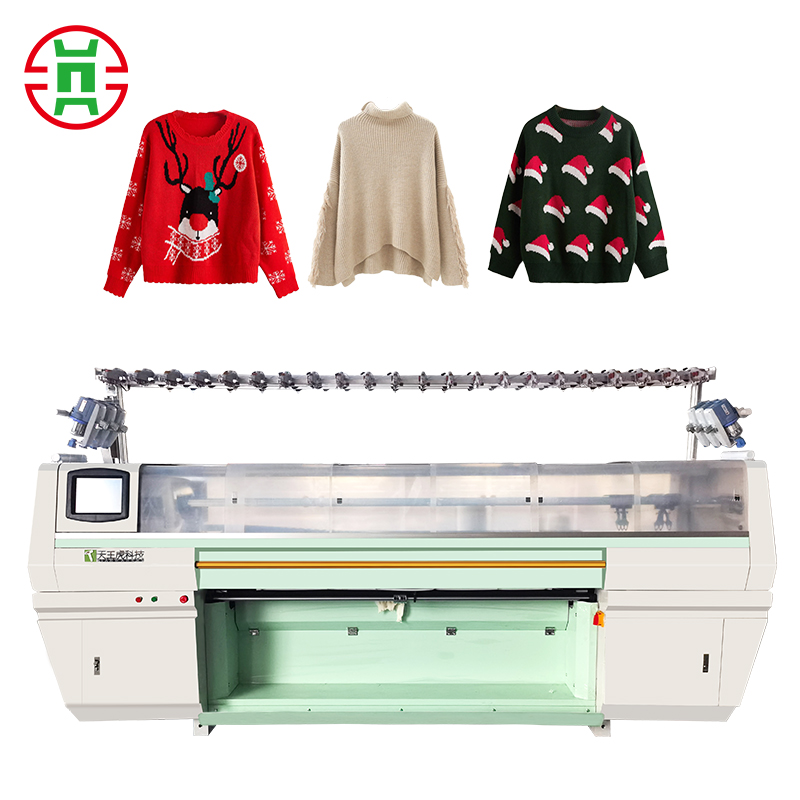
Revolutionizing Production Methodology:
Whole garment technology represents the most significant advancement in knitting technology in decades. By creating complete, three-dimensional garments without seams, this approach transforms traditional manufacturing workflows and value propositions.
Technical Excellence:
Working Width: 80 inches (203 cm) optimized for complete garment production
Multi-Gauge Capability: Quick-change system allows gauge adjustments within 30 minutes
Advanced Carriage System: Dual independent carriages with synchronized operation
Yarn Management: 16-carrier system with individual tension control for each yarn
3D Forming Capability: Sophisticated stitch transfer technology for complex shaping
Smart Features for Advanced Manufacturing:
Integrated 3D Design to Production Workflow:
The system includes proprietary software that translates 3D garment designs directly into machine instructions. This seamless workflow reduces design-to-production time from weeks to hours.
Real-Time Quality Assurance:
High-resolution cameras and tension sensors continuously monitor production, detecting and correcting errors in real-time. The system can automatically pause and highlight issues for operator intervention when necessary.
Adaptive Knitting Technology:
Advanced algorithms adjust knitting parameters based on yarn characteristics and environmental conditions, ensuring consistent quality across production runs and material batches.
Sustainability Advantages:
Whole garment knitting offers unparalleled environmental benefits:
Material Efficiency: 20-35% less yarn consumption compared to cut-and-sew methods
Zero Cutting Waste: Elimination of fabric cutting removes a major source of textile waste
Reduced Energy Consumption: Fewer production steps mean lower overall energy use
Longer Product Lifespan: Seamless construction typically results in more durable garments
Market Applications and Opportunities:
Sportswear and Activewear: Seamless construction enhances comfort and performance
Medical Textiles: Custom-fitted compression garments and orthopedic supports
Fashion Innovation: Complex designs previously impossible with traditional methods
Automotive Textiles: Custom-fitted seat covers and in

 English
 العربية
 Français
 Русский
 Español
 Português
 Deutsch
 italiano
 日本語
日本語 한국어
한국어 Nederlands
 Tiếng Việt
 ไทย
ไทย Polski
 Türkçe
 ភាសាខ្មែរ
 Bahasa Melayu
 தமிழ்
தமிழ் Filipino
 Bahasa Indonesia
 magyar
 Română
 Čeština
 қазақ
қазақ Српски
 हिन्दी
 Kiswahili
 Slovenščina
 Norsk
Norsk Svenska
 українська
 Ελληνικά
 Suomi
Suomi עברית
עברית اردو
اردو Shqip
Shqip বাংলা
বাংলা Hrvatski
 Gaeilge
 Māori
Māori සිංහල
සිංහල नेपाली
 Oʻzbekcha
 Aymara
 Azərbaycan dili
 Беларуская мова
 Български
 guarani
 Lietuvių
 Runasimi
 Türkmençe


